
Alpine Tundra
2009-07-02 16:38:11.000 – Hedda Peterson, Summit Intern

For some time now the view out of the observatory window has only revealed the surrounding lichen covered boulders. If we are lucky the fog will clear for seconds at a time, reassuring us that the landscape does in fact continue past the borders we have become so accustomed to. I thought I would take some time to refresh all of our memories as to what that landscape is…!
When one imagines a tundra biome, their mind often takes them to places like Alaska’s Arctic Tundra, or Greenland. Rarely do people consider places such as New Hampshire. However, Alpine Tundra (high-altitude tundra) can form on mountains that otherwise may not necessarily be considered “alpine.” The word “Tundra” comes from the Finnish word tunturi, for “treeless heights.” Tundra is often classified by its baron landscape, low temperatures and limited vegetation, much like the summit of Mount Washington. At first glance the mountain’s summit appears as a glacially scared peak left as a pile of boulders. All it takes is a single summer hike around the summit to observe the numerous and intricate, low lying flowers, grasses and lichens that grow along trail edges and in between rocks. The Alpine Tundra of the White Mountains is one of the largest tundra in the Eastern United States. “Fragile,” is a word commonly used to describe most vegetation growing in this area. To many this word usage seems rather ironic, for how is anything able to live in such harsh conditions dubbed weak or fragile? Vegetation in this area is exposed to low temperatures, high precipitation, heavy cloud cover and high winds, the fastest summer wind speed recorded being 174 mph!
Once the fog clears I am looking forward to a hike down to the Alpine Garden to see which “fragile” flowers remain in bloom after this stretch of unpleasant weather.
Hedda Peterson, Summit Intern
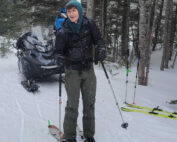
Meet MWOBS/MWAC Intern Ryan Tanski
Meet MWOBS/MWAC Intern Ryan Tanski By Ryan Tanski Hello! I’m Ryan Tanski and I’m the joint USFS Mount Washington Avalanche Center and Mount Washington Observatory Intern this winter. I’m thrilled to get to work
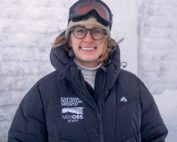
Geologist Climbs Rock Pile, Looks Up
Geologist Climbs Rock Pile, Looks Up By Bailey Nordin Hello from the summit of Mount Washington! My name is Bailey Nordin, and I am the newest Weather Observer and Education Specialist joining the team
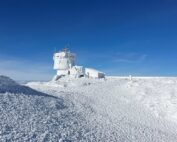
Life on Top of New England
Life on Top of New England By Anna Trujillo Hi everyone! My name is Anna Trujillo and I am one of the interns for the MWOBS winter season. I am super excited for the