
Anatomy of a thunderstorm…
2007-07-07 09:00:41.000 – Brian Clark, Observer
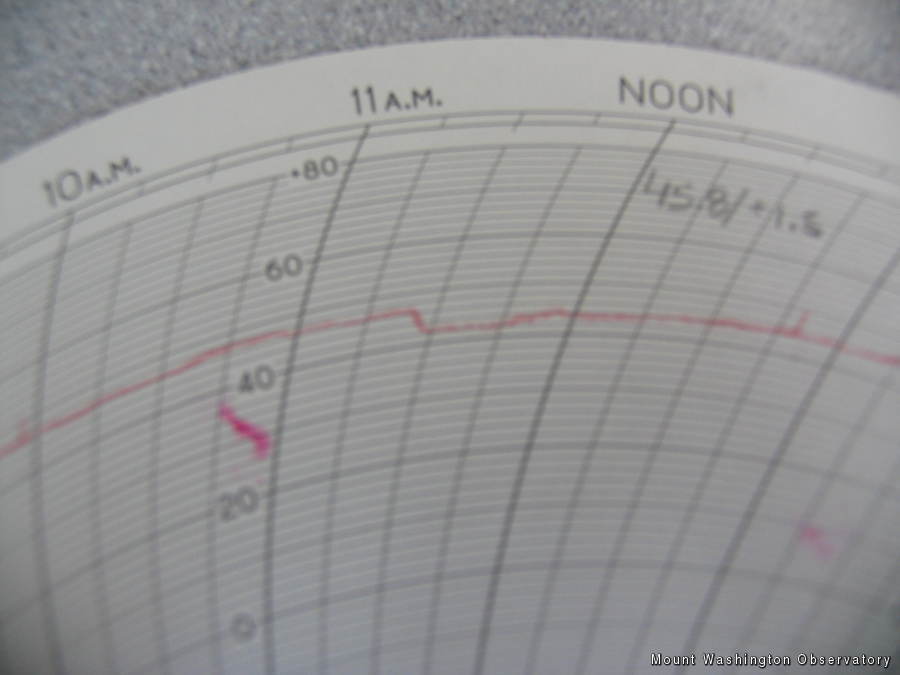
The Thermograph…
The most exciting weather event so far this week came yesterday right around noon. Peter Crane, the Director of Programs for the Observatory, who was on the summit with a summer EduTrip came into the weather room and informed us that he had just heard distant thunder outside. A quick look at the radar confirmed that there were some pretty hefty thunderstorms just a few miles away headed right for the summit. After the crew went through the lightning shutdown steps, all eyes were glued to the window in the Weather Room. Several strikes of lightning lit up the higher summits through the course of the thunderstorm and some small hail fell as well.
An interesting meteorological phenomena can be seen on our thermograph (see inset) from yesterday. When the thunderstorm started, the temperature on the summit was right around 48 degrees. In a matter of around 5 to 10 minutes the temperature dropped to about 42 degrees. This sudden drop in temperature was likely caused by the downdraft that is typically associated with stronger thunderstorms. These downdrafts are caused by a pool of cold air higher up in the thunderstorm suddenly “falling” down to the surface. While the occurrence of a minor downdraft on the summit has little consequence besides being a real life weather lesson, this phenomena can be particularly dangerous for aircraft when they are on approach for landing.
The Hays wind speed recording chart also shows this downdraft hitting the summit in the form of a spike in our wind speeds. Although it wasn’t anything major by our standards, it certainly was a rather significant increase in wind speed relative to the wind speeds before and after the storm.
Today’s weather is foggy, cold, and windy; enough so that the Newton’s Revenge bicycle race on the Auto Road was postponed until tomorrow. Temperatures are in the upper 30’s with winds blowing at 40 to 50 miles per hour, making for a wind chill in the low 20’s. Certainly not conditions that I would want to finish an 8 mile uphill bike race in.
Brian Clark, Observer
My Fear of Weather Became a Love of Meteorology
My Fear of Weather Became a Love of Meteorology By Kaitlin Farrell Hello! My name is Kaitlin Farrell. I am one of the fall summit interns here at Mount Washington Observatory. I recently graduated
Ascending with High Winds
Ascending with High Winds By Alonso Lopez Hi! I am Alonso Lopez, one of four interns at Mount Washington Observatory from August to December, 2026. I was born and raised in the Dallas-Fort Worth
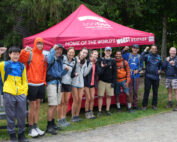
26th Annual Seek the Peak Recap
26th Annual Seek the Peak Recap By Drew Bush Members of the "Peak Potential" team gather at Pinkham Notch before hiking Mount Washington for the 26th Annual Seek the Peak. View more images. We’ve had