
Ice
2010-11-09 15:10:16.000 – Steve Welsh, IT Observer

NULL
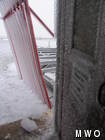
Ice, ice everywhere.
After two days of freezing rain, drizzle and fog, plus ice pellets thrown in for good measure, everything outside is coated in glaze ice. This goes for the building, antennas, weather instruments and even the observers and interns if they stay out for more than a few minutes at a time.
Slowly but surely we have been losing contact with our remote weather sites as their antennas and solar panels get coated in ice. There’s nothing quite like glaze ice for reducing radio power and the thick undercast over the weekend didn’t help either as the clouds prevented the solar panels from charging their batteries fully. This is why the ARVP and Mesonet web pages have only been updating sporadically at best.
Each remote site also contains a logger, which records all the data locally and requires very little power to operate. So once the sun comes out again and charges up the batteries and clears the ice off the antennas we should be able to re-establish communications and pull over all the data.
The latest weather models are showing a large high pressure system starting to build in and we should be clearing out of the freezing fog later tonight. The sun will be out tomorrow and temperatures will climb above freezing point so hopefully all this ice will melt away and everything will be back to normal once again.
Steve Welsh, IT Observer
From One Mountain to the Next
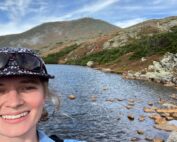
From One Mountain to the Next By Ellie Derry Hi everyone! My name is Ellie Derry and I am one of the fall 2026 interns at the Observatory. I’m super excited to be here
Mountains and Meteorology: What More Could a Girl Need?
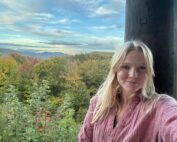
Mountains and Meteorology: What More Could a Girl Need? By Emily Grainger Hi everyone! My name is Emily Grainger, and I am one of this fall’s Summit Interns atop Mount Washington! I’m from Orlando,
My Fear of Weather Became a Love of Meteorology
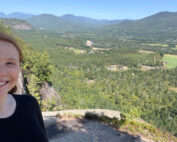
My Fear of Weather Became a Love of Meteorology By Kaitlin Farrell Hello! My name is Kaitlin Farrell. I am one of the fall summit interns here at Mount Washington Observatory. I recently graduated