
Intern Research
2013-06-09 15:45:29.000 – Alex Carne, Summit Intern

NULL
Mount Washington’s extreme climate has made it a prime location for meteorological research. Much of the research that is conducted by the observatory is performed by interns in the form of research projects. Every season, the interns of the observatory are assigned a new research project aimed at discovering new details about the weather and climate of Mount Washington.
The project that I have been assigned compares the relationship between the climate and avalanche history of Tuckerman Ravine (Tucks). There is no weather station in Tucks that can directly measure the weather conditions, so there is a lot that remains unknown about the climate. The two closest weather stations to the ravine are at the Observatory and an automated weather station at the Hermit Lake shelters near the bottom of the ravine. In order to get a better idea of Tuck’s climate, I am comparing the climate data of the Observatory to the climate data of the Hermit Lake station in an attempt to find correlations in the data between the two stations. By the end of the summer, my goal is to have developed a better understanding of the climate of Tuckerman ravine. In addition, I hope that the data that I collect will provide more detail about the weather conditions in Tucks that lead to avalanches.
Alex Carne, Summit Intern
26th Annual Seek the Peak Recap
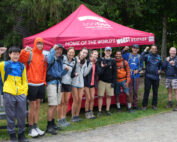
26th Annual Seek the Peak Recap By Drew Bush Members of the "Peak Potential" team gather at Pinkham Notch before hiking Mount Washington for the 26th Annual Seek the Peak. View more images. We’ve had
Seek the Peak Spotlight: The Cloud Chasers
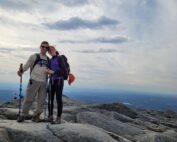
Seek the Peak Spotlight: The Cloud Chasers By MWOBS Staff Mike Bergeron and Desiree Bolton have been participating and volunteering for Seek the Peak for three years now. Together, they comprise Team Cloud Chasers
Celebrating 250 Years: The Declaration’s Legacy in the White Mountains
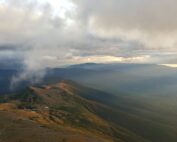
Celebrating 250 Years: The Declaration's Legacy in the White Mountains By Peter Crane We are now approaching July Fourth, Independence Day, the day when we celebrate the adoption of the Declaration of Independence in