
Life In and Out of the Clouds
2017-06-28 06:36:20.000 – Elizabeth Perry, Summit Intern
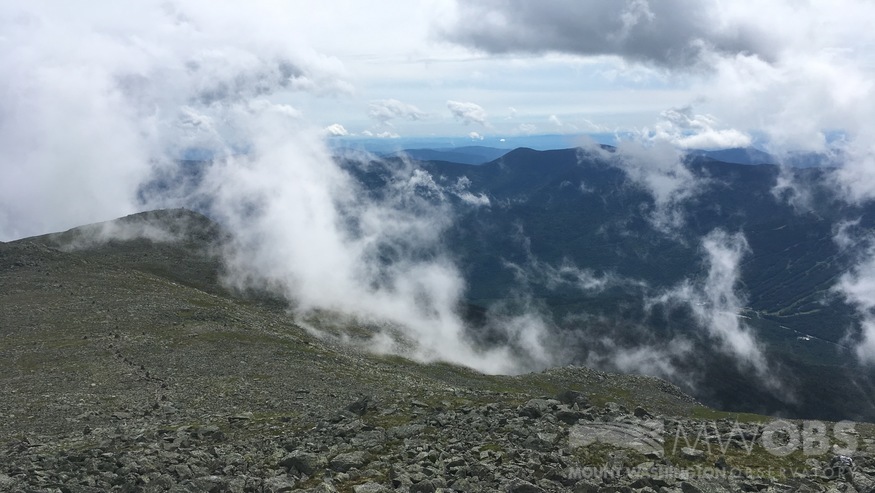
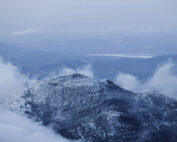
One of the most striking things about living on the summit of Mount Washington and observing the weather has been noticing how quickly weather can change up here, and the ubiquitousness of clouds (the summit experiences fog sixty percent of the year). While writing this post, the visibility has increased from a fraction of a mile to at least 30 or 40 miles as mid-level clouds pass over and around the summit.
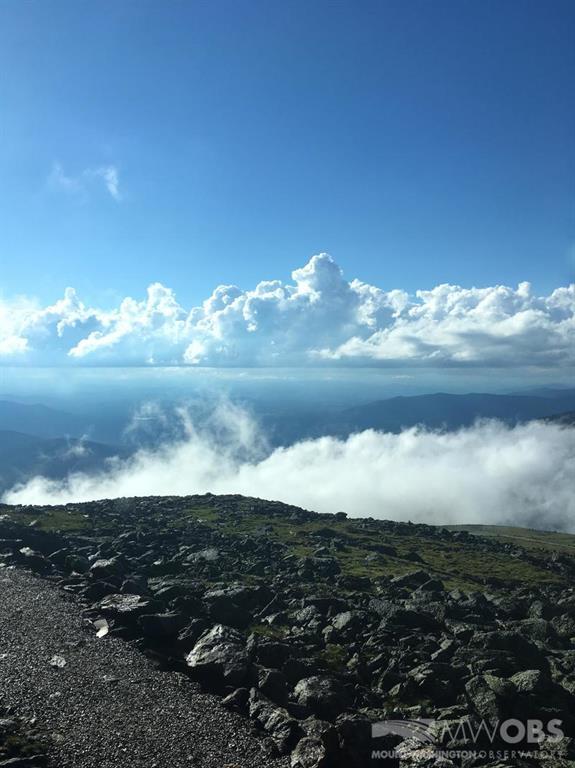
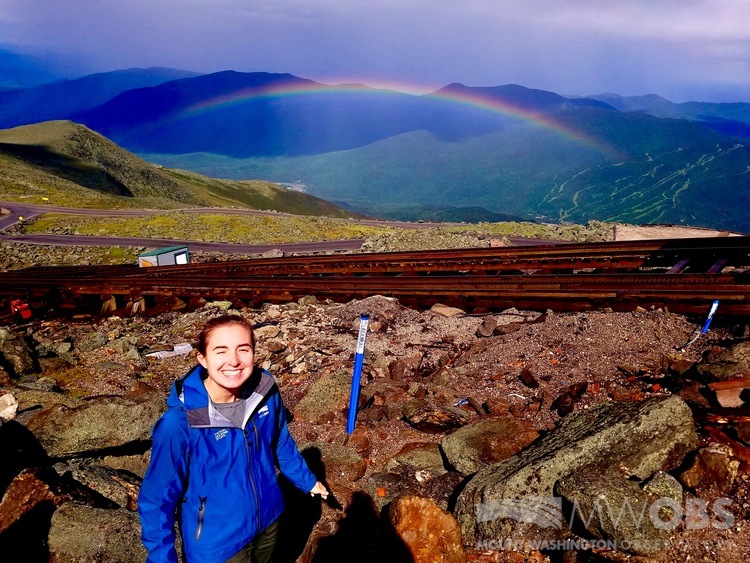
Some of our days revolve around a window of a few hours of clearing to head outside for a hike or to take some pictures of the Presidential views. One day, after an afternoon rainstorm, I was stopped in the middle of writing a short-term forecast to check out the rainbow that appeared facing Wildcat Mountain. As quickly as it formed, the sun disappeared behind the clouds behind us and the rainbow disappeared. Likewise, dangerous weather such as convective afternoon thunderstorms have rapidly brought thick clouds, heavy precipitation and lightning to the summit. Either way, it is always incredibly beautiful and fascinating to watch all types of clouds roll through.
Elizabeth Perry, Summit Intern

Seek the Peak 2026: New Adventures, Rooted in Tradition
Seek the Peak 2026: New Adventures, Rooted in Tradition By MWOBS Staff Seek the Peak is Mount Washington Observatory's largest annual fundraiser, and for 26 years it's brought together hikers, adventurers, and people who
What “Prepared” Really Means in the White Mountains
What “Prepared” Really Means in the White Mountains Early Spring in the Whites: The Most Honest Season By Andrew Harris, Burgeon Outdoor If you’ve spent any time in New Hampshire’s White Mountains in March,
March on Mount Washington
March on Mount Washington By Ryan Knapp Looking towards Mt. Madison at sunset on March 21, 2026. The calendar has spoken: Friday, 20 March 2026, marked the first day of astronomical spring.