
Light Pillars
2018-12-28 09:58:49.000 – Christopher Hohman, Night Observer/Staff Meteorologist
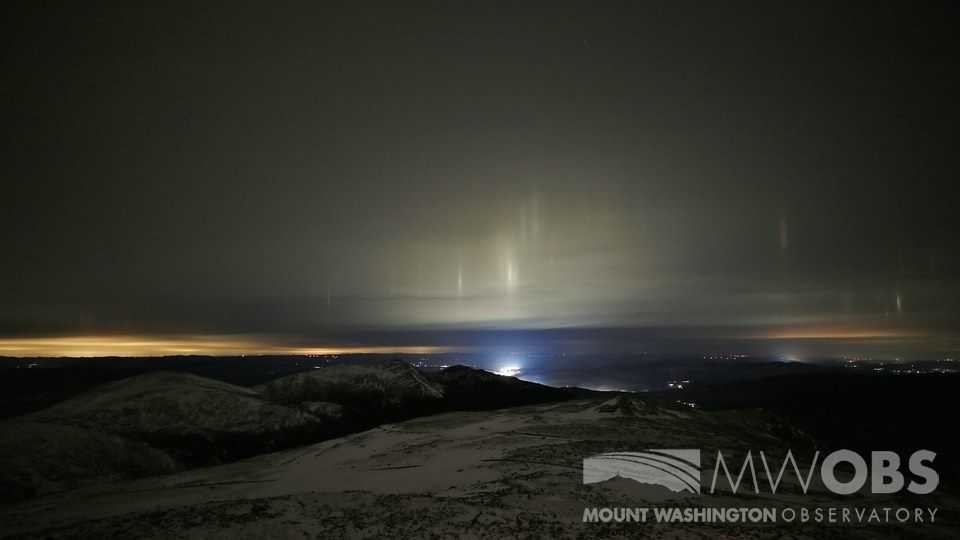
So what exactly is causing this phenomenon to happen? Well, it’s actually a rather simple concept. The most important piece to seeing this spectacle is for hexagonal shaped ice plates to be falling from the sky. If those aren’t forming (for various reasons, say the temperature is too low or too high), then there’s no chance you’ll see a light pillar.
Now let’s say they are forming, they actually have to fall in a certain way. They need to fall perfectly flat side down to reflect the light to your eyes. This is why it’s hard for us to see these pillars on a regular basis. Last night we had very low winds, which weren’t creating much turbulence in the atmosphere. If winds had been high, then the crystals wouldn’t have been able to gently fall plate side down. Here’s the link to a site that has a great diagram of what I’m trying to describe.
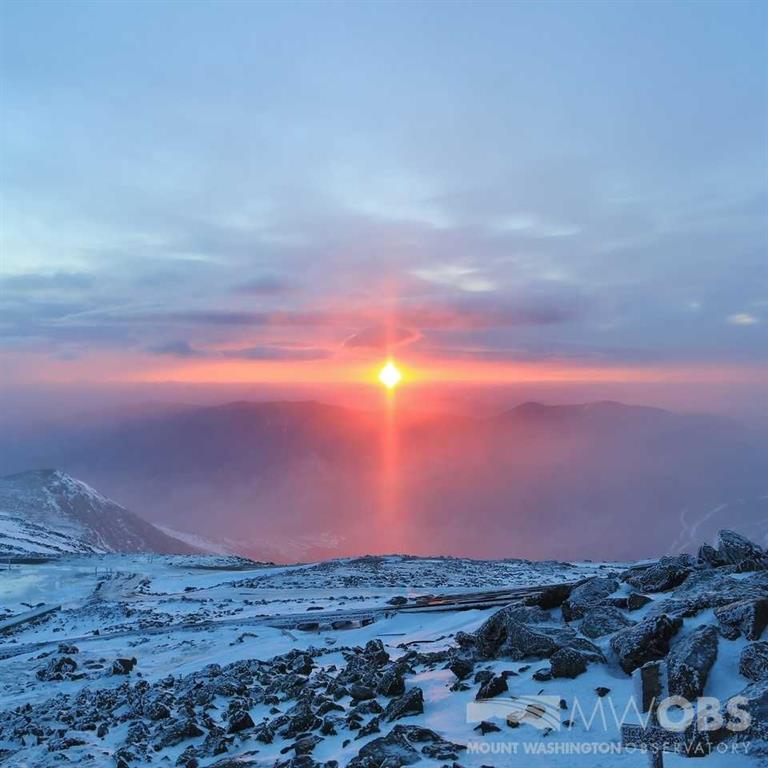
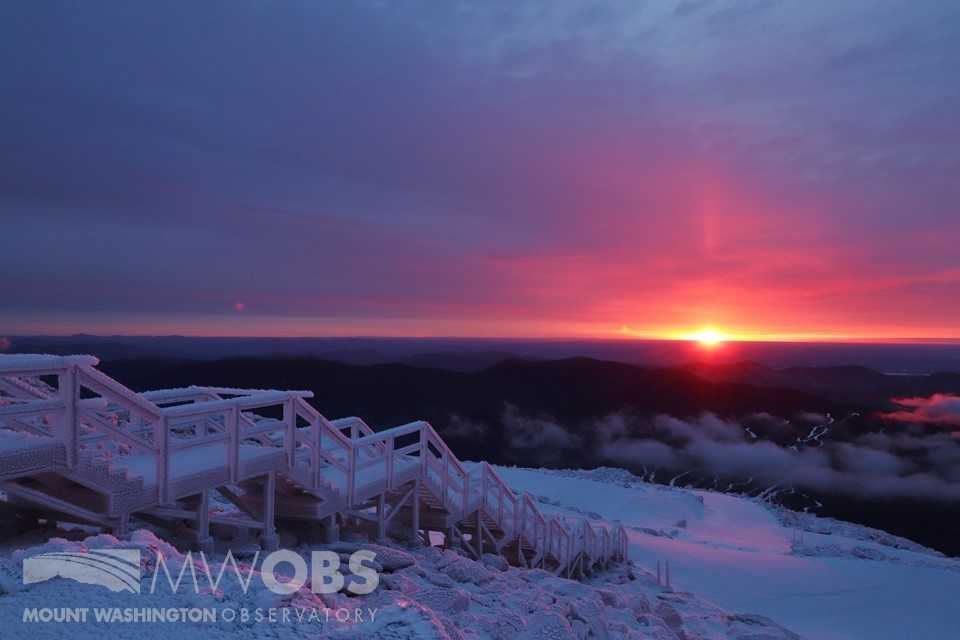
It isn’t just city lights that form these light pillars. In fact, a much more common phenomenon is Sun Pillars. This optical effect happens when the sun is starting to set below the horizon. The same idea with the ice crystals falling plate side down is the key here. Now you may be wondering, “Why can I only see pillars when the sun is setting?” The answer really lies in what direction the light is emitted. If you clicked that link above, you’ll see that lights needs to be sent upwards into the atmosphere to get these pillars. During a sunset, the sun’s light is cast upward. While during the day, it’s light is emitted directly downward toward the surface.
Here are some pictures of sun pillars we’ve observed over the years:
That’s all I have for you guys this time. Thank you for taking the time to read my blog, I hope you found it interesting! If you have any questions or comments, please do not hesitate to contact us. Thank you for your support, and have a wonderful day!
Christopher Hohman, Night Observer/Staff Meteorologist

From One Mountain to the Next
From One Mountain to the Next By Ellie Derry Hi everyone! My name is Ellie Derry and I am one of the fall 2026 interns at the Observatory. I’m super excited to be here
Mountains and Meteorology: What More Could a Girl Need?
Mountains and Meteorology: What More Could a Girl Need? By Emily Grainger Hi everyone! My name is Emily Grainger, and I am one of this fall’s Summit Interns atop Mount Washington! I’m from Orlando,
My Fear of Weather Became a Love of Meteorology
My Fear of Weather Became a Love of Meteorology By Kaitlin Farrell Hello! My name is Kaitlin Farrell. I am one of the fall summit interns here at Mount Washington Observatory. I recently graduated