
Mountain Living
2017-08-16 07:02:57.000 – Jillian Reynolds, Summer Intern
Living and working on Mount Washington has been a dream of mine for some time now. Although I am from New York, my family and I have visited Mount Washington ever since I was young. Having the chance to live up here for the summer was (so far) an amazing experience. I have witnessed some things that are different while staying here on the tallest peak in the northeast compared to sea level.
Difference in Pressure
Traveling up this 6288’ mountain, you may start to feel your ears pop. The reason for this is because of the change in pressure. Being this high up in the sky, there is about a 20% difference in pressure between up here and if you were to bring this pressure down to the base. This means that there is 20% less atmosphere above us. Less atmosphere means less oxygen. That is why walking upstairs, hiking, etc. on the mountain may make you get a little winded faster. It takes some getting used to.
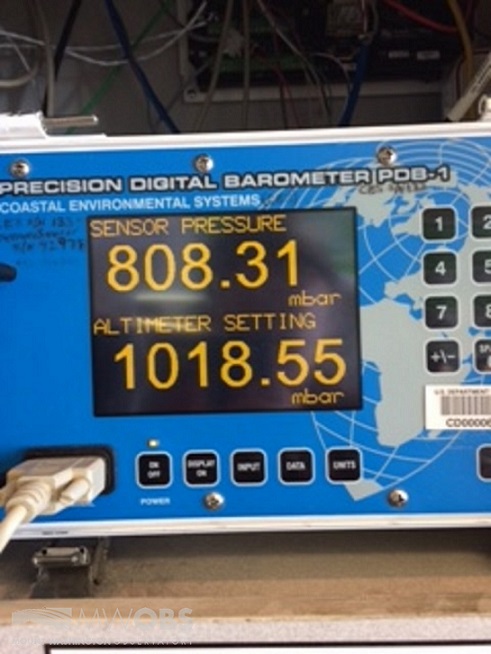
Figure 1. Digital barometer showing an example of the 20% difference in pressure. The pressure on top represents the summit’s pressure and down below represents if you were to bring the pressure up here down to sea level.
Weather
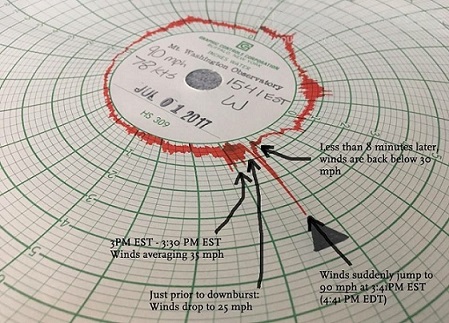
Mount Washington is known as the “Home of the World’s Worst Weather.” The reasoning behind this is because there are many different types of extreme weather that can be seen while being up here. Whether there are fast winds, thunderstorms, snow, or hail, you can expect to get what you bargained for while staying here for a week at a time. My favorite weather phenomenon that I experienced this summer was our July 1st thunderstorm. We experienced a 90 mph gust of wind as the main line of storms rolled through! I have never seen anything like it.
Views
One last thing that is different with living up here than being down at sea level is the views. Some of these views include other towns (North Conway, Berlin, Whitefield, etc.), lakes (Sebago, Winnipesaukee, Ossipee, etc.), a wide range of mountains, and the wonderful sunrises and sunsets! If it were to be early in the morning and an extremely clear day, you could even see the Atlantic Ocean over to the east. Although I have not had a chance to view the ocean yet from up here, hopefully someday I will!
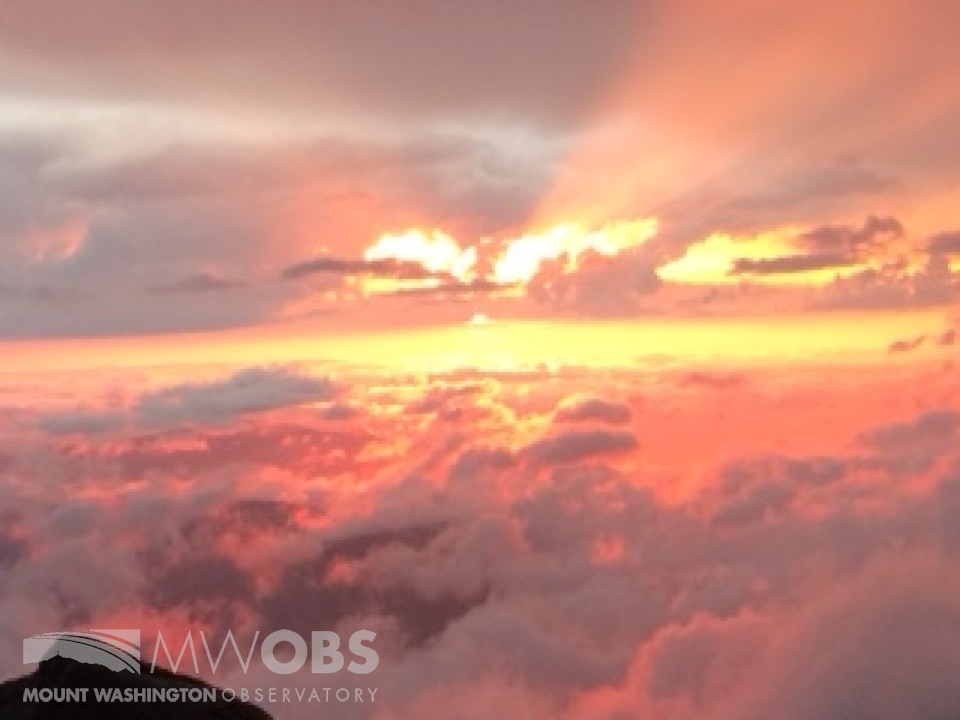 Figure 3. July 17th sunset as viewed from Mount Washington.
Jillian Reynolds, Summer Intern
26th Annual Seek the Peak Recap
26th Annual Seek the Peak Recap By Drew Bush Members of the "Peak Potential" team gather at Pinkham Notch before hiking Mount Washington for the 26th Annual Seek the Peak. View more images. We’ve had
Seek the Peak Spotlight: The Cloud Chasers
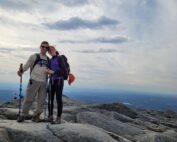
Seek the Peak Spotlight: The Cloud Chasers By MWOBS Staff Mike Bergeron and Desiree Bolton have been participating and volunteering for Seek the Peak for three years now. Together, they comprise Team Cloud Chasers
Celebrating 250 Years: The Declaration’s Legacy in the White Mountains
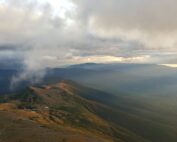
Celebrating 250 Years: The Declaration's Legacy in the White Mountains By Peter Crane We are now approaching July Fourth, Independence Day, the day when we celebrate the adoption of the Declaration of Independence in