
Mt. Washington: The Epitome of New England’s Variable Weather
2013-07-30 15:34:25.000 – Matthew Cann, Summit Intern

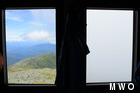
Clear View vs. Fog View
New England is known for it’s variability in weather; how the region can see all four seasons in a matter of days. For instance, a typical March in New England can include a blizzard, single-digit wind chills, 80 degree heat, and destructive flooding. With weather that can change in the blink of an eye, it is very important to frequently check the weather. The importance becomes even greater when dealing with severe weather. Yesterday we observed a line of strong thunderstorms moving across New Hampshire into Maine. Initially these storms were moving northeast at about 15mph when suddenly they stalled for almost an hour and continued to build about 20 miles southwest of the summit. The result was the storms arriving over top the mountain about an hour later than originally expected. This was a prime example of why it is always important to keep a constant eye on the weather and not just check one time, especially in New England where it can change so quickly.
Mt Washington is perhaps the epitome of New England’s variable weather conditions. One second you may barely be able to see 15 feet ahead of you, a few seconds later and you can see over 100 miles! That means you can see 35,000 times as far in a matter of seconds, only to once again be socked in by the clouds and see no more than 15 feet a minute later. Mount Washington also has extremely variable winds. On April 23, 1993 the winds went from calm to over 100mph in under 6 hours. While that won’t happen every day, it is still a good idea to frequently check the Higher Summits Forecast, MWV Forecast, and the radar in order to keep on top of New England and Mount Washington’s highly variable weather.
Matthew Cann, Summit Intern

Seek the Peak 2026: New Adventures, Rooted in Tradition
Seek the Peak 2026: New Adventures, Rooted in Tradition By MWOBS Staff Seek the Peak is Mount Washington Observatory's largest annual fundraiser, and for 26 years it's brought together hikers, adventurers, and people who
What “Prepared” Really Means in the White Mountains
What “Prepared” Really Means in the White Mountains Early Spring in the Whites: The Most Honest Season By Andrew Harris, Burgeon Outdoor If you’ve spent any time in New Hampshire’s White Mountains in March,
March on Mount Washington
March on Mount Washington By Ryan Knapp Looking towards Mt. Madison at sunset on March 21, 2026. The calendar has spoken: Friday, 20 March 2026, marked the first day of astronomical spring.