
NULL
2008-12-31 15:10:39.000 – Peter Crane, Director of Programs

NULL
If you are a regular reader of the Observer comments, you already have a grasp of some of the challenges and satisfactions of being atop Mount Washington in winter – a place where both the winds and the views can be in the 100 mile range (sometimes), where rime ice is a near constant companion, and where a three-quarters-of-a-century heritage of scientific work is carried on. At times, it’s like a piece of the Arctic (or the Himalayas) that’s been transported to New England.
For about 15 years, the Observatory has offered winter overnight trips – EduTrips – and just a few years ago we started Winter DayTrips, to allow visitors to sample a little bit of what our staff experiences in this remarkable place. The DayTrips include snow tractor transportation up and down the mountain, a guided tour of the Observatory and the summit, and lunch at the weather station. Our 2009 Winter DayTrips start on Monday January 5, and we still have spaces available on most of those trips, including next Monday’s. If you are in good health, good physical condition, and want to visit the top of Mount Washington during it’s most dramatic season, take a look at our Winter DayTrip info to learn more.
We’d look forward to having you along, and to sharing Mount Washington in winter with you!
Peter Crane, Director of Programs
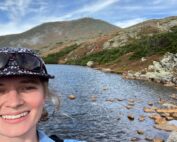
From One Mountain to the Next
From One Mountain to the Next By Ellie Derry Hi everyone! My name is Ellie Derry and I am one of the fall 2026 interns at the Observatory. I’m super excited to be here
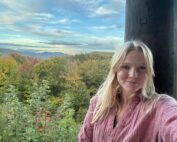
Mountains and Meteorology: What More Could a Girl Need?
Mountains and Meteorology: What More Could a Girl Need? By Emily Grainger Hi everyone! My name is Emily Grainger, and I am one of this fall’s Summit Interns atop Mount Washington! I’m from Orlando,
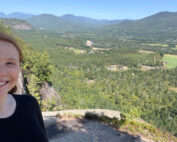
My Fear of Weather Became a Love of Meteorology
My Fear of Weather Became a Love of Meteorology By Kaitlin Farrell Hello! My name is Kaitlin Farrell. I am one of the fall summit interns here at Mount Washington Observatory. I recently graduated