
Splints, Cravats, and Gauze: Oh My!
2014-11-06 21:37:35.000 – Kaitlyn O’Brien, Weather Observer/Education Specialist
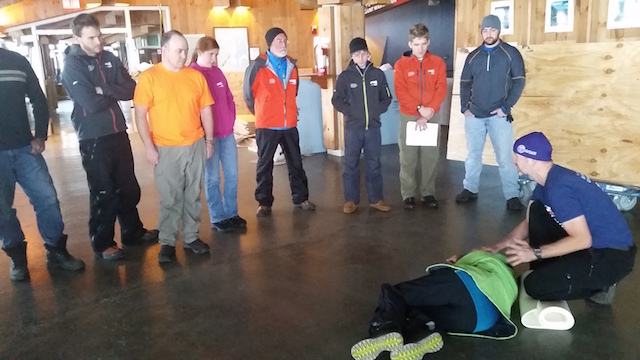
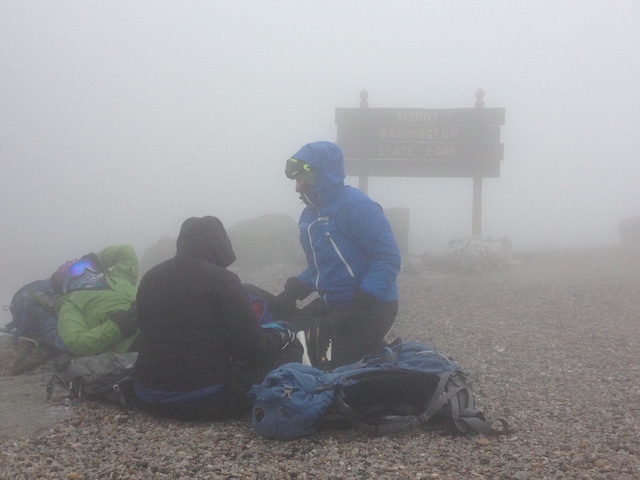
Aside from learning about the preliminary signs of hypothermia, shock, and heat exhaustion, I can also tell you that it’s not too hard to build a splint for a forearm fracture in the comfort of a heated building with a patient who is merely acting distressed. In fact, it took about 10 minutes. Instead, the real test occurs when the wind is blowing 60mph; your hands and fingers are quickly becoming clumsy in the below freezing temperatures, and you’re trying to prevent your gear and materials from blowing away, all while simultaneously calming a suffering patient and getting a count on their respiratory rate, among other vitals. That scenario could take 30 minutes to a couple of hours before the patient is even transport-worthy.

Needless to say, the detailed course and hands-on training applications provided us with the confidence we need to handle emergencies as they arise. Thank you SOLO!
Kaitlyn O’Brien, Weather Observer/Education Specialist
Home Sweet Summit
Home Sweet Summit By Kathryn Hawkes Me enjoying the view of Mount Washington while skiing in the valley on my off week. Hi everyone! My name is Kathryn Hawkes and I’m the
Meet MWOBS/MWAC Intern Ryan Tanski
Meet MWOBS/MWAC Intern Ryan Tanski By Ryan Tanski Hello! I’m Ryan Tanski and I’m the joint USFS Mount Washington Avalanche Center and Mount Washington Observatory Intern this winter. I’m thrilled to get to work
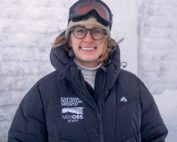
Geologist Climbs Rock Pile, Looks Up
Geologist Climbs Rock Pile, Looks Up By Bailey Nordin Hello from the summit of Mount Washington! My name is Bailey Nordin, and I am the newest Weather Observer and Education Specialist joining the team