
What “Prepared” Really Means in the White Mountains
Early Spring in the Whites: The Most Honest Season
By Andrew Harris, Burgeon Outdoor
If you’ve spent any time in New Hampshire’s White Mountains in March, you already know: the forecast is more suggestion than promise.
It can be 12°F at sunrise, 48°F by lunch, snowing mid-afternoon, and raining by the time you’re back at the trailhead. Valleys hint at spring. Summits still hold winter tight. Somewhere in between is where most hikers get into trouble.
In the White Mountains, “prepared” doesn’t mean tossing an extra sweatshirt in the car. It means understanding how fast conditions change—and how small the margin for error can be during White Mountains shoulder-season hiking.
Here’s what prepared really means.
The Reality of March in the White Mountains
Early spring in the Whites is deceptive. Bare ground at lower elevations does not mean winter is over above 3,000 feet.
According to the Mount Washington Observatory, extreme weather is not just a winter phenomenon. Rapid temperature drops, hurricane-force winds, and whiteout conditions can occur year-round, often with little warning. Even on “mild” March days, summit conditions can be drastically different from what you experience at the trailhead.
And then there’s the freeze-thaw cycle.
March is famous for:
- Icy morning trails
- Soft, collapsing snow by midday
- Postholing hazards
- Hidden water crossings under snow bridges
- Freezing rain
- Hypothermia risks in wet, windy conditions
It’s common to start in sunshine and reach treeline to find 40 mph winds and blowing snow. Conditions shift quickly here.
Layering with Intention
In shoulder season, your clothing system is your first line of safety.
Overdress and your sweat soaks through your layers. Underdress and wind strips heat quickly. Cotton, still the most common layering mistake, holds moisture and accelerates heat loss.
A simple, effective layering system for March includes:
- Moisture-wicking base layer (merino or synthetic)
- Breathable midlayer for active warmth
- Waterproof, windproof shell for mixed precipitation
- Packable insulation layer for breaks or emergencies
Carry layers you may not need…until you do.
Planning for Ice… and Mud
March is when traction matters most.
Lower elevations may be bare and wet, while higher elevations often remain solid ice. Microspikes or crampons are frequently essential, especially on shaded trails and north-facing slopes.
Spring thaw also means mud season. Staying on the trail, even when it’s wet and messy, protects fragile alpine ecosystems and prevents trail widening. The White Mountains see heavy visitation, and trail stewardship is part of being prepared.
Checking the Right Forecast
If you’re heading above treeline, checking the valley forecast isn’t enough.
Before heading out, check:
- The Mount Washington Observatory Higher Summits Forecast
- NOAA point forecasts for your specific elevation
- Recent trail reports
- AMC or Forest Service advisories
Wind chill and rapidly shifting weather can turn a manageable day into a dangerous one. Plan for summit conditions to be colder, windier, and harsher than expected.
Packing the Essentials
In March, the margin between comfortable and unsafe can shrink quickly.
The Ten Essentials still apply:
- Navigation (map, compass, GPS)
- Headlamp (with extra batteries)
- Extra food and water
- Insulation layers
- Emergency shelter
- Fire starter
- First aid kit
- Knife or multi-tool
- Sun protection
- Extra traction
It’s easy to skip items on a “quick” hike. But in the Whites, especially in March, quick can become long in a hurry. Preparation is about respect, not fear.
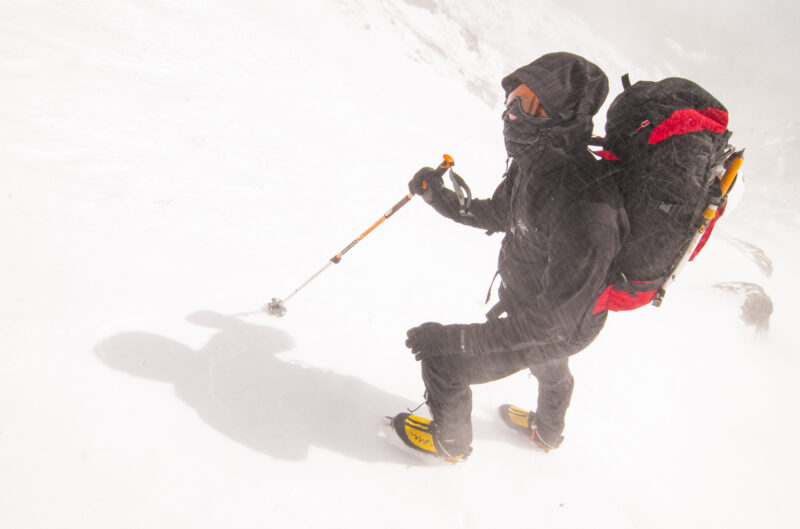
Photo by Joe Klementovich.
Knowing When to Turn Around
The hardest skill to develop is turning back.
Winds above treeline can exceed 60 mph with little warning. Snow squalls erase visibility. Ice can turn steep terrain into a no-fall zone.
Prepared hikers build turnaround times into their plan, monitor changing conditions, and adjust when reality doesn’t match expectations.
Turning around isn’t failure. It’s good judgment.
The Shoulder-Season Mindset
Think in systems rather than single pieces of gear. Assume conditions will be tougher higher up. Pack deliberately. Move steadily. Stay observant.
The White Mountains don’t follow the calendar. In many places, March is still winter.
Prepared doesn’t mean overcomplicated. It means thoughtful, weather-aware, and willing to adapt.
That’s how we move safely here.
And that’s how we keep coming back.
My Fear of Weather Became a Love of Meteorology
My Fear of Weather Became a Love of Meteorology By Kaitlin Farrell Hello! My name is Kaitlin Farrell. I am one of the fall summit interns here at Mount Washington Observatory. I recently graduated
Ascending with High Winds
Ascending with High Winds By Alonso Lopez Hi! I am Alonso Lopez, one of four interns at Mount Washington Observatory from August to December, 2026. I was born and raised in the Dallas-Fort Worth
26th Annual Seek the Peak Recap
26th Annual Seek the Peak Recap By Drew Bush Members of the "Peak Potential" team gather at Pinkham Notch before hiking Mount Washington for the 26th Annual Seek the Peak. View more images. We’ve had