
Cold, busy shift
2009-01-17 20:29:49.000 – Brian Clark, Observer

This shift has certainly been the busiest one so far this winter for visitors. Wednesday night we had one of the USFS Snow Rangers, Jeff Lane, stay overnight with us to get a glimpse into what we do and how we do it. Thursday night we had 8 participants and 2 leaders (including former observer and current meteorologist for channel 13 WGME, Sarah Long) for an EduTrip, and then tonight we have 9 participants and 2 leaders staying for another EduTrip. When this trip leaves tomorrow, it won’t end there. Tomorrow night we will have 2 climbers and a guide from IMCS staying over with Monday featuring one of our winter DayTrips visiting the summit. That leaves Tuesday as the only day that we won’t see any guests during this shift. Not that that is a bad thing; it is nice to see some fresh faces on the summit.
So far this week, all those visitors have certainly been treated to some good ol’ arctic air. When we arrived on Wednesday, the temperature was around 23 below zero, and until this afternoon, temperatures had remained colder than 20 below for the vast majority of the time. Not record breaking cold, but certainly cold nonetheless; cold enough that this afternoon’s temperatures at 13 below felt “warm”.
During the days leading up to this cold snap that the eastern half of the country has been experiencing, I had several people ask me: “Is it true that it can be too cold to snow?” The short answer is no, it can never be too cold to snow.
Now for the longer answer.
The reason this myth has proliferated is because typically, at least for the northeast, when the weather is at its coldest it never seems to snow. In the case of this most recent cold outbreak, arctic high pressure had itself parked over the region. This dome of cold air prevents any storms from tracking through it, essentially pushing those storms further south and east and out to sea. So the bottom line is this: it isn’t the cold itself that is directly responsible for the lack of snow. In fact, it is the weather systems responsible for bringing in the cold air that keep it from snowing.
So there’s a quick little weather lesson from your friendly neighborhood educational observer. Now next time you hear someone say, “it’s too cold to snow!”, you can pass on your newly acquired meteorological knowledge!
Brian Clark, Observer
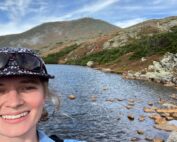
From One Mountain to the Next
From One Mountain to the Next By Ellie Derry Hi everyone! My name is Ellie Derry and I am one of the fall 2026 interns at the Observatory. I’m super excited to be here
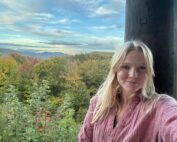
Mountains and Meteorology: What More Could a Girl Need?
Mountains and Meteorology: What More Could a Girl Need? By Emily Grainger Hi everyone! My name is Emily Grainger, and I am one of this fall’s Summit Interns atop Mount Washington! I’m from Orlando,
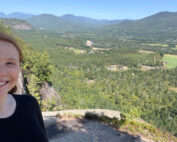
My Fear of Weather Became a Love of Meteorology
My Fear of Weather Became a Love of Meteorology By Kaitlin Farrell Hello! My name is Kaitlin Farrell. I am one of the fall summit interns here at Mount Washington Observatory. I recently graduated