
Cold Risks
2013-01-24 00:38:59.000 – Mike Carmon, Weather Observer/Meteorologist
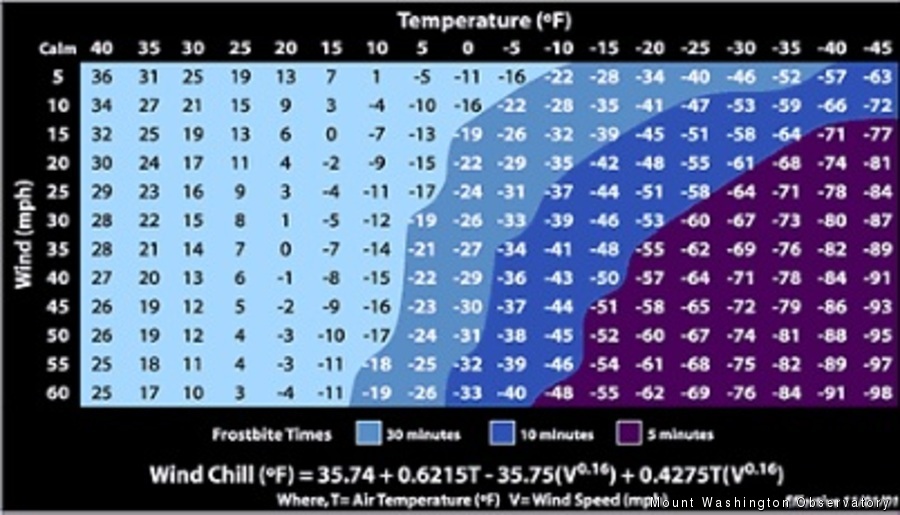
NWS Wind Chill Chart
It’s no secret that today (Wednesday) was a chilly one on the summit. With a low of -35 degrees F, we experienced some of the coldest temperatures of the last few years.
With arctic temperatures and high winds come a slew of dangers, many of which are commonly overlooked. So, let these comments serve as a reminder to just how perilous Mt. Washington can be in its most sinister moments.
The human body is not bred for very cold temperatures, and is not designed to adapt to such conditions. When faced with such harsh cold, survival mechanisms immediately go to work. The body stops circulating blood to the extremities in order to keep the more important parts of the body (closer to the core) warm. Without blood flow to these extreme parts of the body (fingers, toes, ears, etc.), the skin tissue in these areas may become damaged, and if not brought in from the cold, could begin to die. This condition is known as frostbite.
If exposure to the cold continues, and more and more body heat becomes lost, the body’s core temperature can drop below a dangerous level, resulting in hypothermia. This condition prompts symptoms such as shivering and general lack of coordination in the more mild cases, to amnesia, illogical behavior, and death in more severe cases.
Frostbite and hypothermia are two incredibly large risks when exposed to the extreme cold, and should be warded against during every second of exposure. Proper layering and ensuring that no bare skin is exposed to the elements is the only way to successfully guard against these conditions.
Think you can beat these conditions with brief exposure times? Think again. With the conditions Mt. Washington was facing at its coldest and windiest today, frostbite would occur on exposed skin in less than five minutes, with the onset of hypothermia following close behind. Never take the risk–if you’re not prepared, do not underestimate the speedy and, in many cases, irrevocable impact the extreme cold can have.
Mike Carmon, Weather Observer/Meteorologist
My Fear of Weather Became a Love of Meteorology
My Fear of Weather Became a Love of Meteorology By Kaitlin Farrell Hello! My name is Kaitlin Farrell. I am one of the fall summit interns here at Mount Washington Observatory. I recently graduated
Ascending with High Winds
Ascending with High Winds By Alonso Lopez Hi! I am Alonso Lopez, one of four interns at Mount Washington Observatory from August to December, 2026. I was born and raised in the Dallas-Fort Worth
26th Annual Seek the Peak Recap
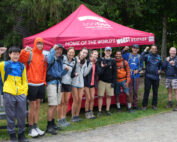
26th Annual Seek the Peak Recap By Drew Bush Members of the "Peak Potential" team gather at Pinkham Notch before hiking Mount Washington for the 26th Annual Seek the Peak. View more images. We’ve had