
Just wait a few minutes…
2006-10-17 09:21:45.000 – Bryan Farr, Summit Intern

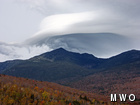
Stratocumulus lenticularis
The visitors who made it to the summit yesterday could not have been more pleased as the day turned out to be perfect by their standards. We had some tours of the observatory, and our guests from Pennsylvania were anxious to reach the outside top of our tower where 100 mile views in every direction, light winds and crisp temperatures awaited them. It is definitely rare in October to be able to be outside for any length of time and enjoy the natural beauty this mountain can offer.
As this morning unfolds, we are watching a large storm system that emerged from the Gulf states and is now dropping heavy rains across the mid-Atlantic. It is sad to see the sunshine and views disappear, but the anticipation of some wintry precipitation makes for an exciting day as our temperatures are just below freezing.
There is one thing that I have discovered while being an intern on Mt. Washington, the weather is always dramatically changing. When I arrived last Wednesday, the mountain was encapsulated in a magnificent stratocumulus lenticularis (lenticular for short). The photo attached was taken by Dick Pollock from the Mt. Washington Auto Road last Wednesday. Since then we have gone from warm to cold, snow and ice to views of the sun rising over the Atlantic. From my point of view, Mount Washington is a great place to be in any weather.
Bryan Farr, Summit Intern
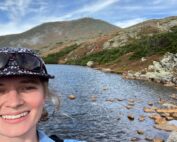
From One Mountain to the Next
From One Mountain to the Next By Ellie Derry Hi everyone! My name is Ellie Derry and I am one of the fall 2026 interns at the Observatory. I’m super excited to be here
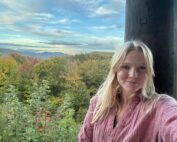
Mountains and Meteorology: What More Could a Girl Need?
Mountains and Meteorology: What More Could a Girl Need? By Emily Grainger Hi everyone! My name is Emily Grainger, and I am one of this fall’s Summit Interns atop Mount Washington! I’m from Orlando,
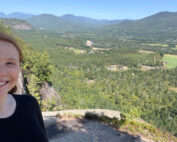
My Fear of Weather Became a Love of Meteorology
My Fear of Weather Became a Love of Meteorology By Kaitlin Farrell Hello! My name is Kaitlin Farrell. I am one of the fall summit interns here at Mount Washington Observatory. I recently graduated